Travel date: Wednesday, September 17, 2025
On our sixth day in Spain, we crossed from the Basque country in Spain to the Basque country in France for a quick look at the cities of Saint-Jean-de-Luz and Biarritz (also spelled Miarritze). Saint-Jean-de-Luz is only about forty kilometres along the Bay of Biscay from San Sebastian, and Biarritz about 20 km beyond that, so it was a perfect half-day excursion.
Biarritz
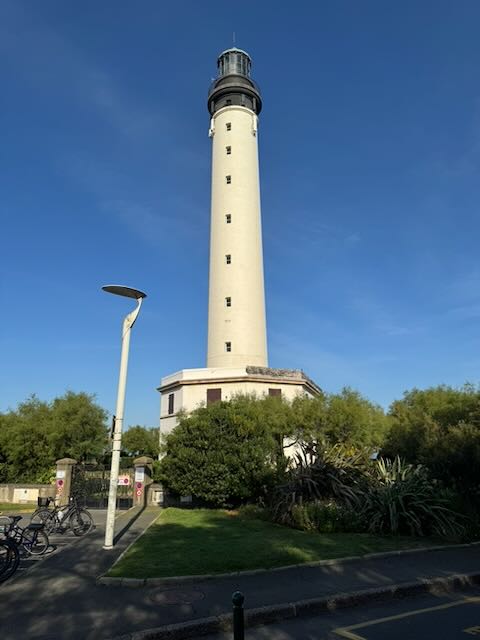
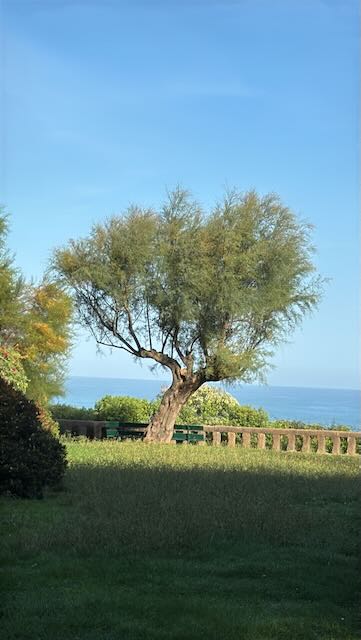
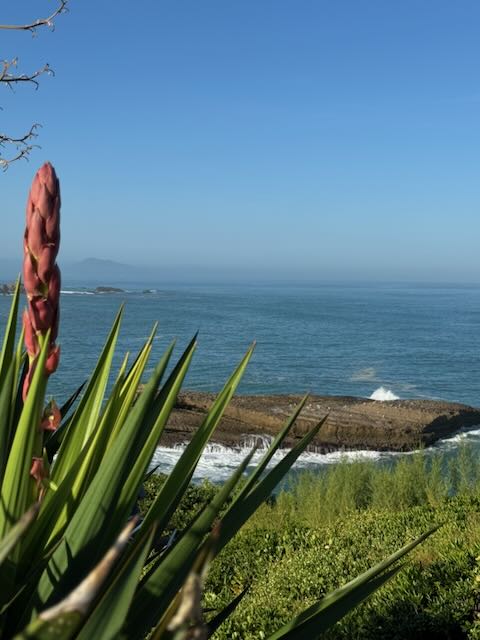
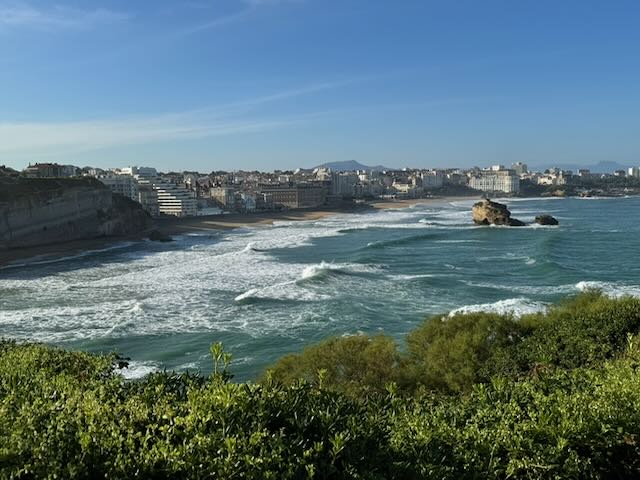
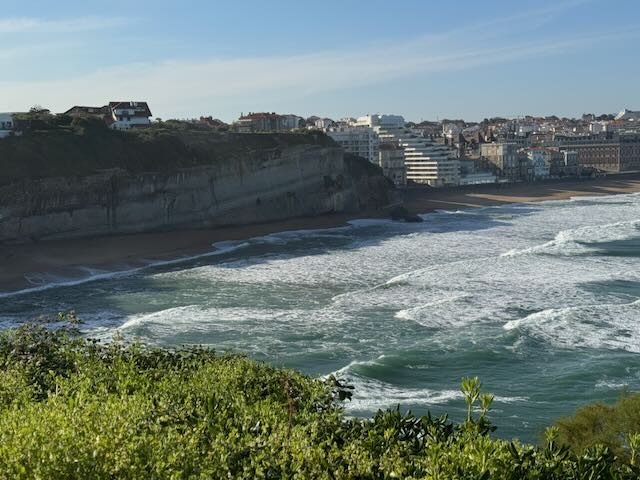
Our first stop was the farthest point of the day’s journey, the Phare de Biarritz (“phare” means “lighthouse”), from which we were able to look back at Biarritz before we visited it. Wikipedia describes the town as “a luxurious seaside tourist destination known for the Hôtel du Palais (originally built for the Empress Eugénie c. 1855), its seafront casinos, and its surfing culture.”
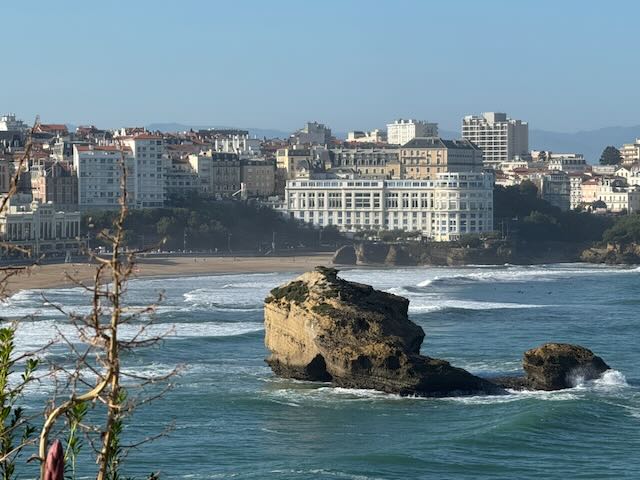

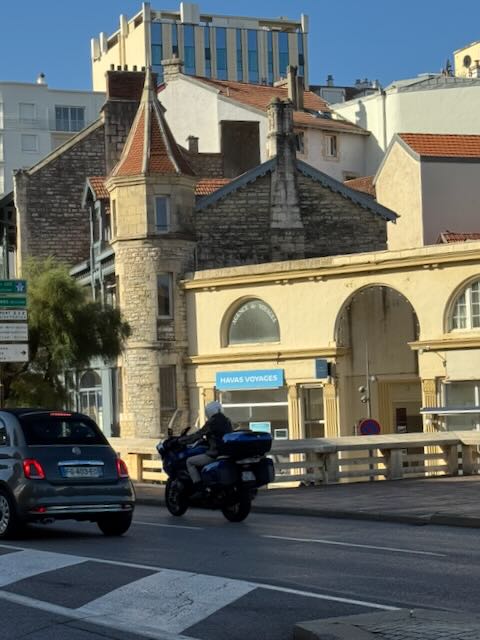
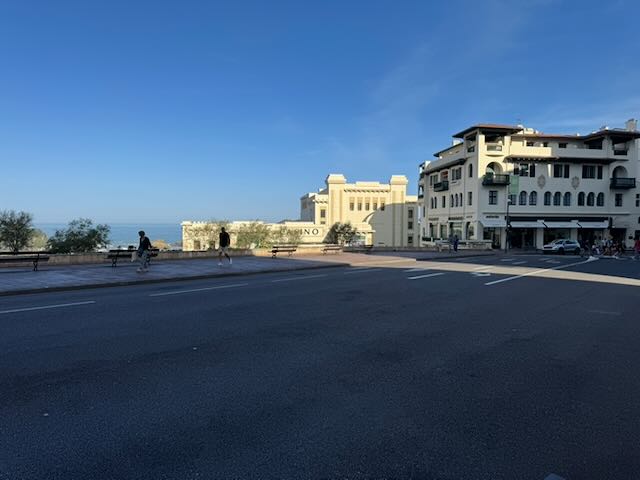
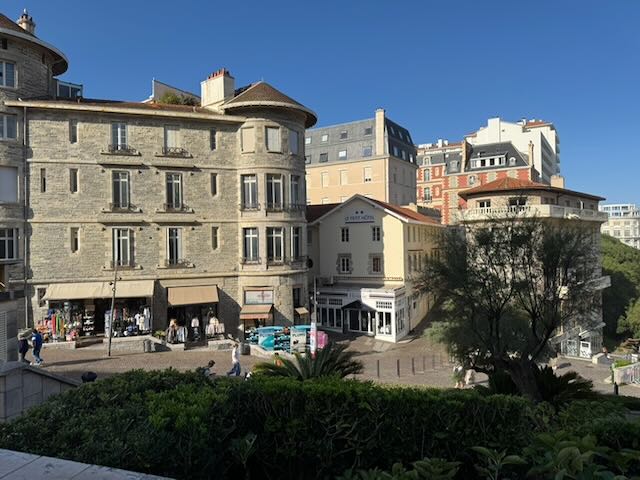
Empress Eugenie was the wife of Napoleon III. In 1893 the palace that had been built for her was converted into a hotel-casino complex, which was later rebuilt after a fire in 1903. There are nearly a dozen casinos in this region.
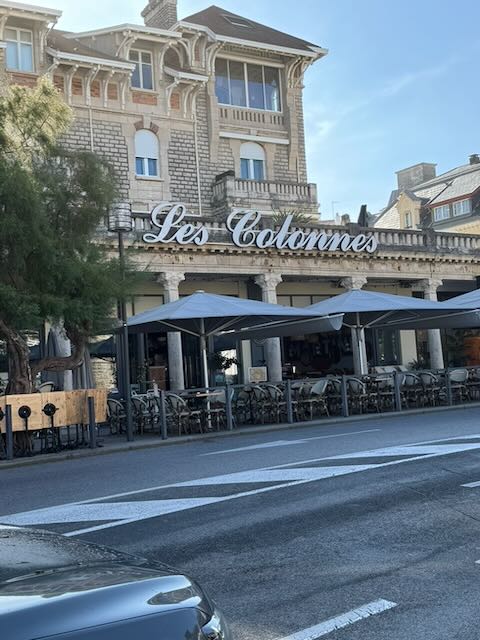
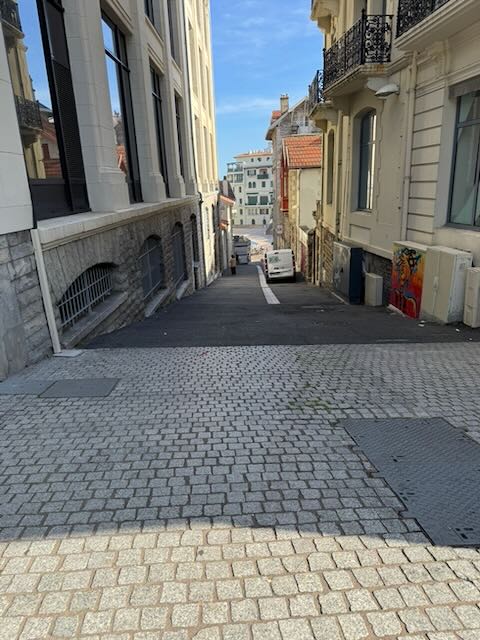
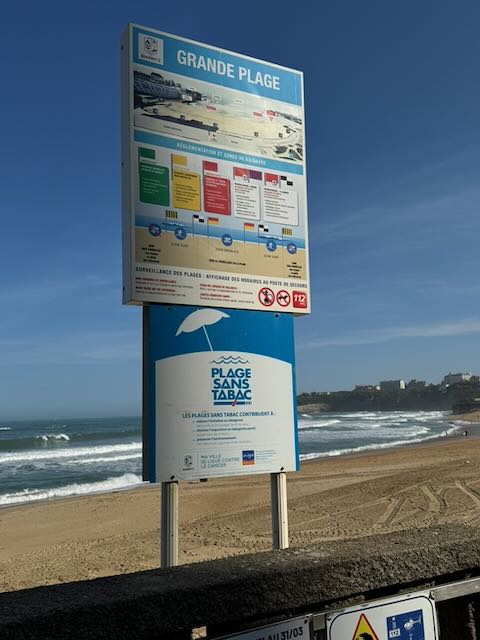
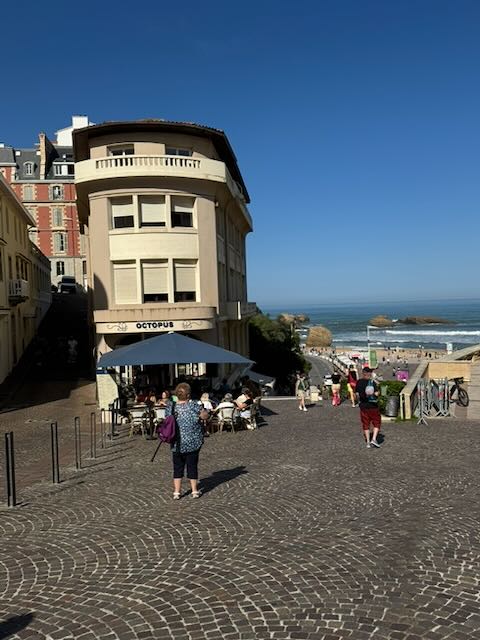
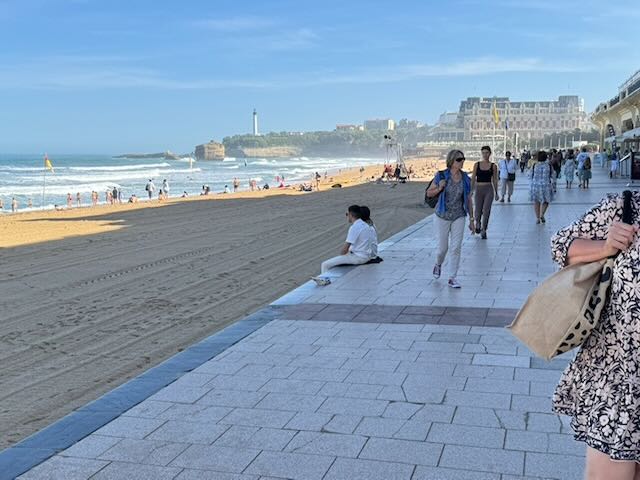
I personally could just sit on the beach in Biarritz all day and watch the surfers and the waves. (If you are reading this as an email, you will miss the video. It is here.)
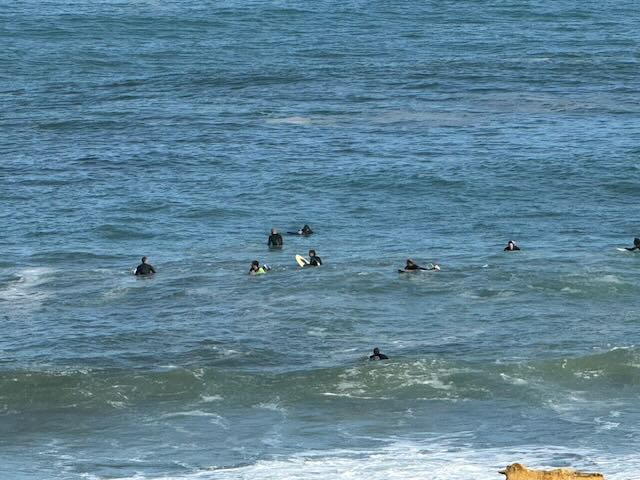
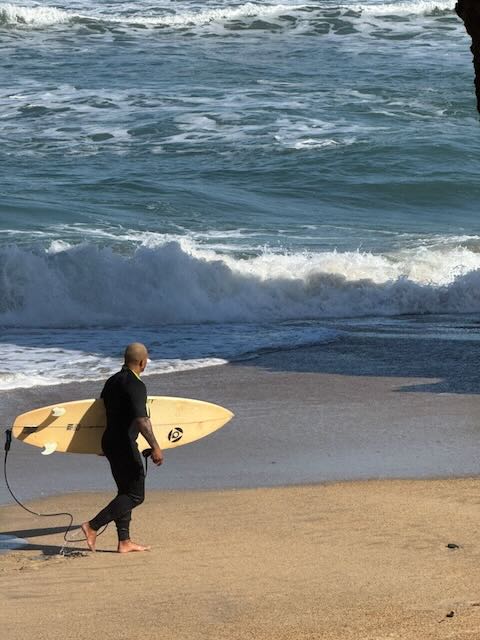
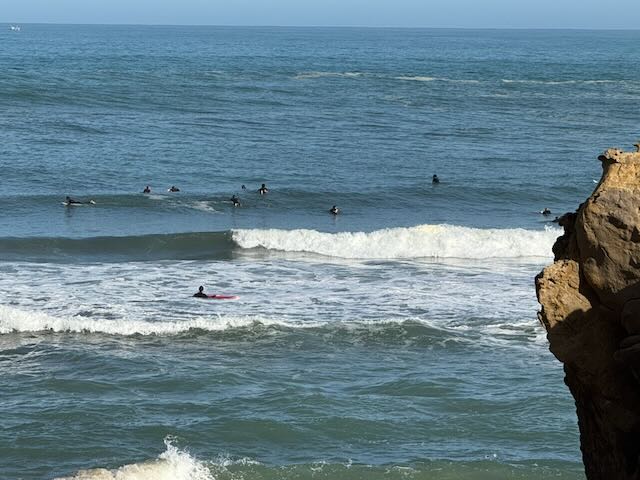
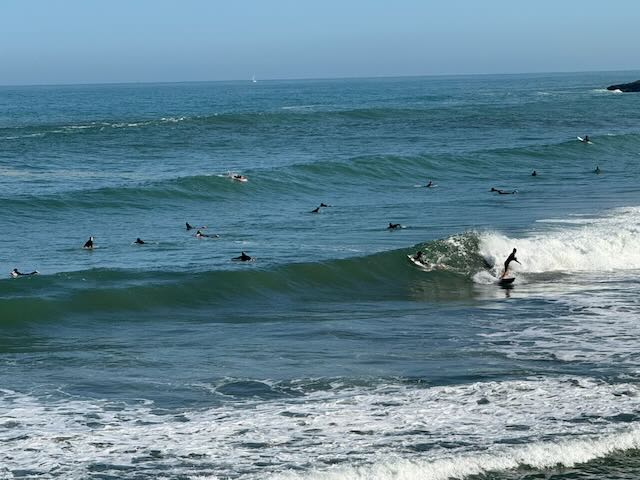
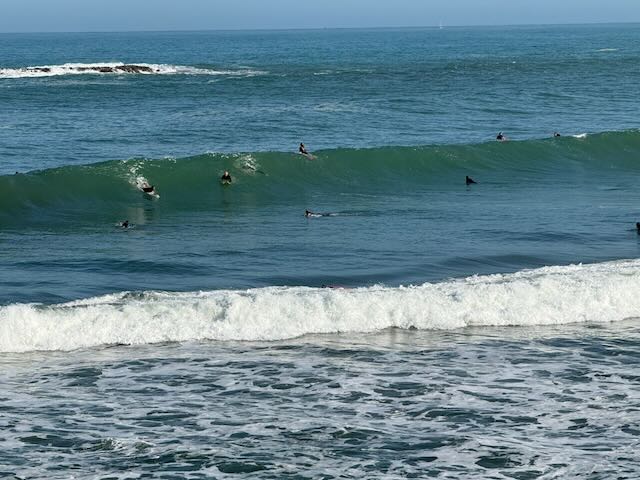
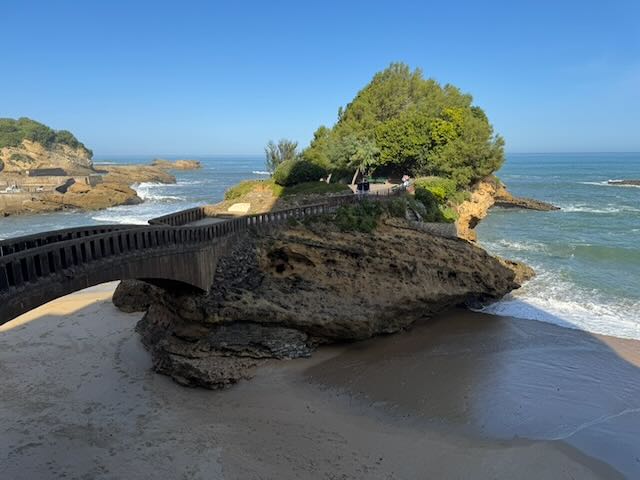
A website promoting Biarritz says, “You may not know it, but Biarritz is the birthplace of surfing in France and even in Europe. The discipline, which arrived at the end of the 50s thanks to a filming on the Basque coast, aroused the curiosity of a few young locals who played the pioneers.”
Saint-Jean-de-Luz
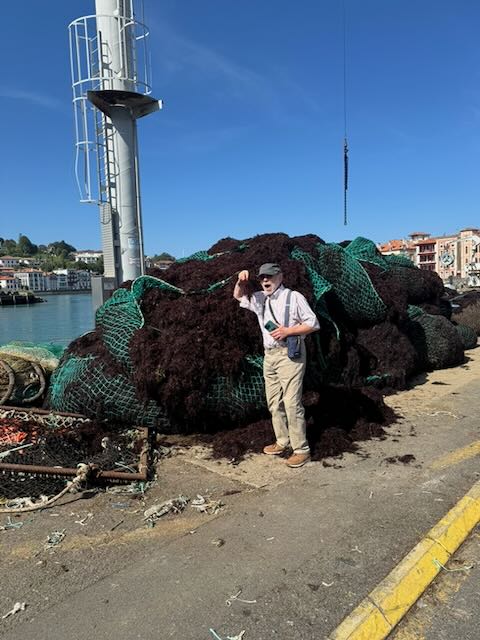
We had lunch in Saint-Jean-de-Luz, which was also lovely. It is a busy fishing town, and the harbour is particularly picturesque.
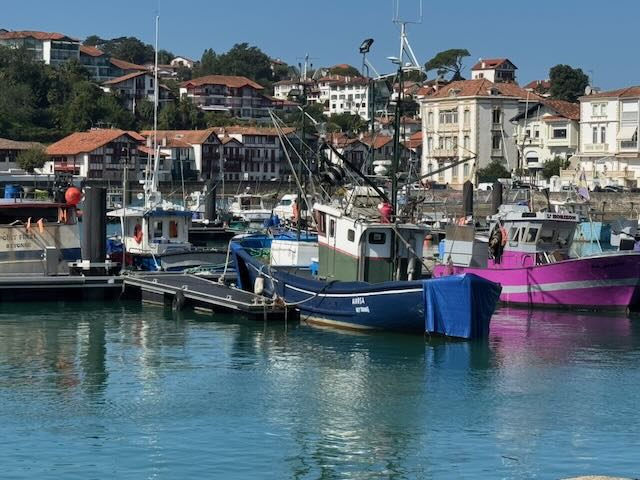
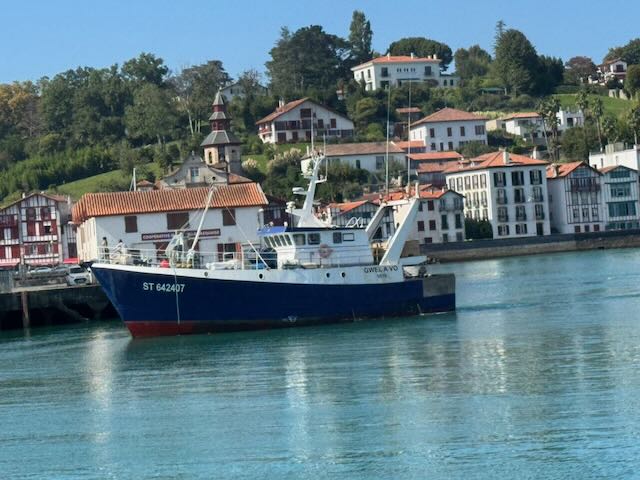
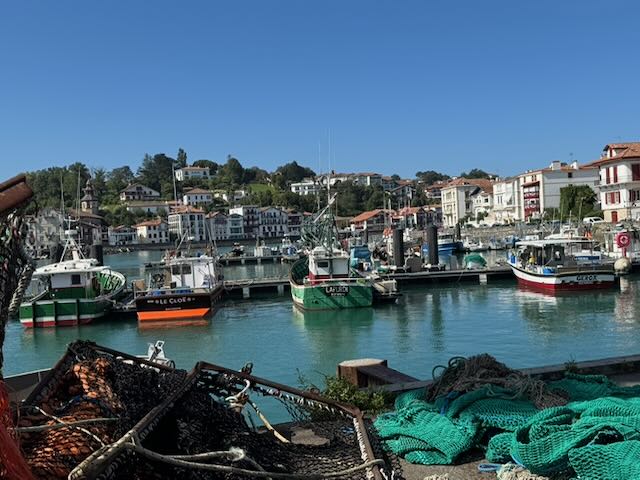
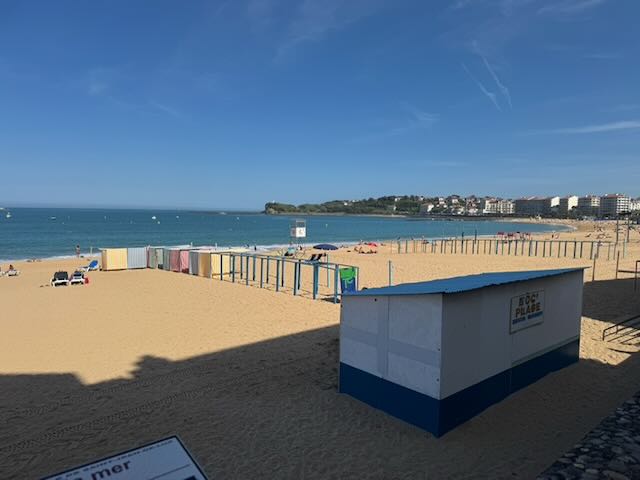
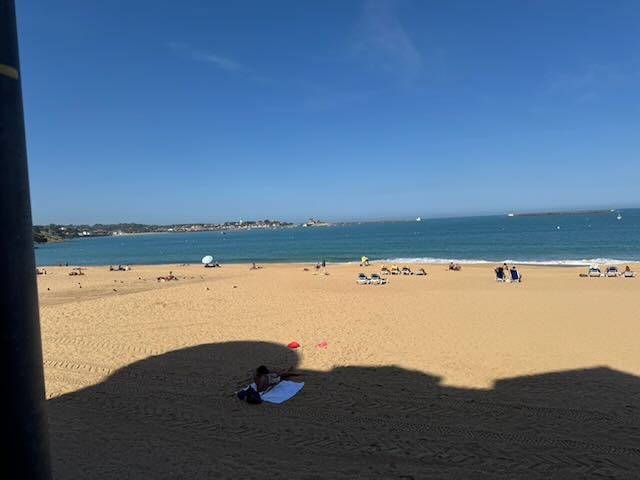
Saint-Jean-de-Luz is the location of the church where Louis XIV, the “Sun King,” married Spanish princess Maria Theresa (another Hapsburg. They really were everywhere) in 1660. This marriage marked the end of the Franco-Spanish War (1635–1659) – but of course one thing always leads to another, and French control of Spain ultimately led to the War of the Spanish Succession, which extended from 1701 to 1714).
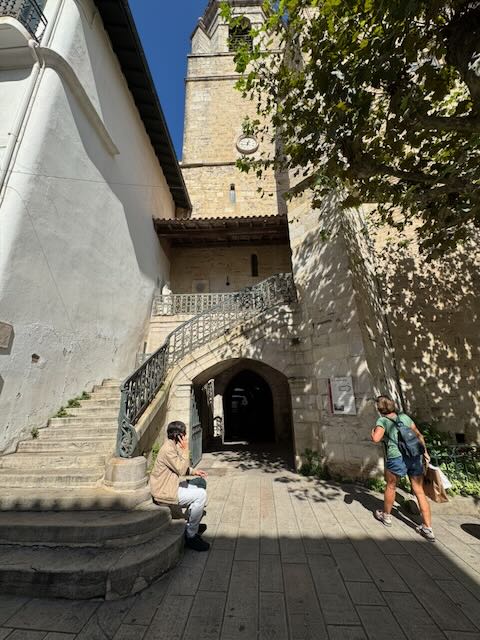
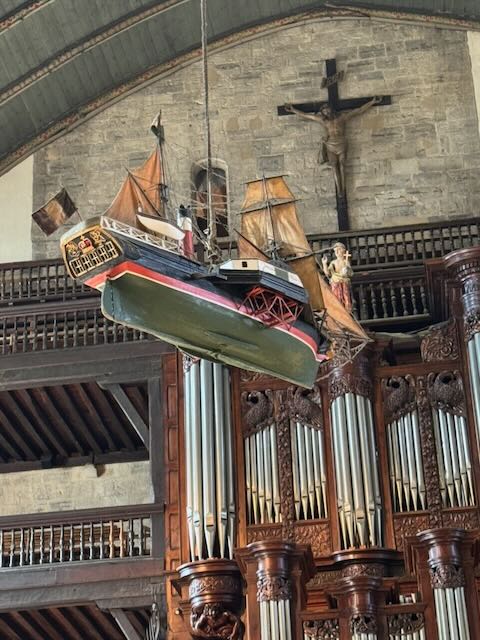
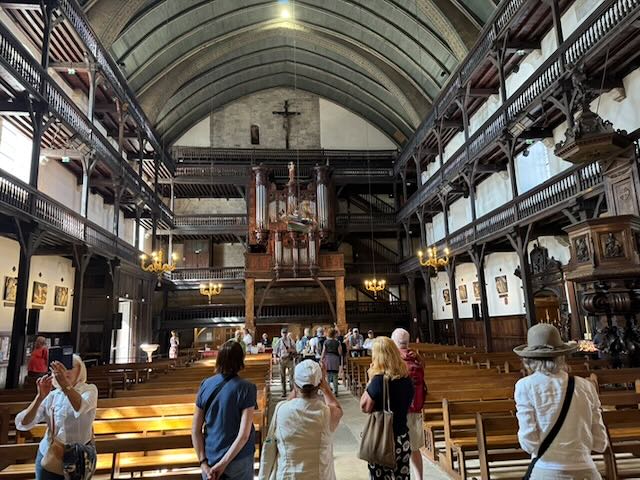
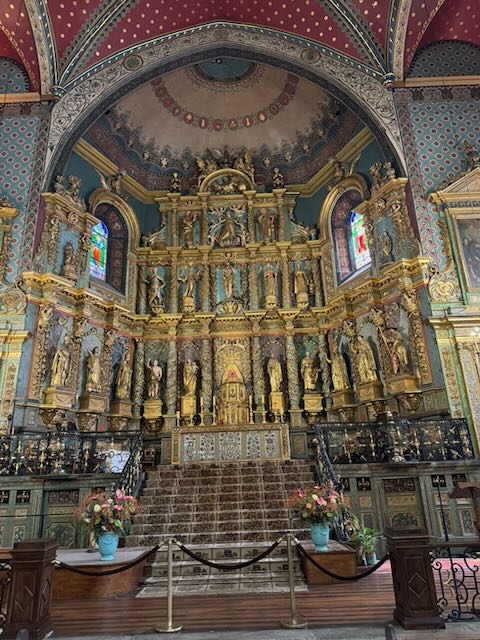
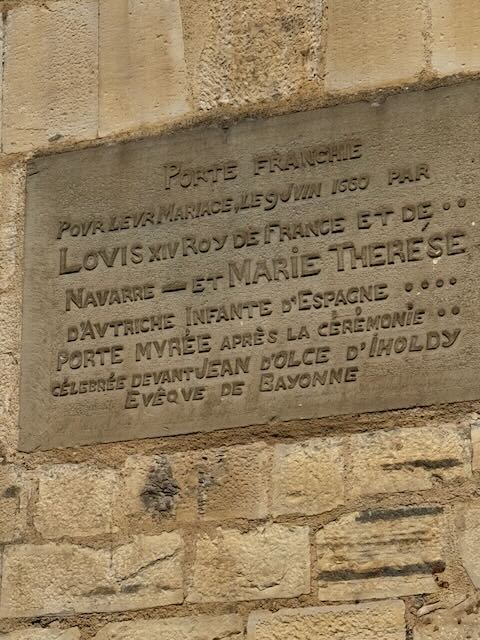
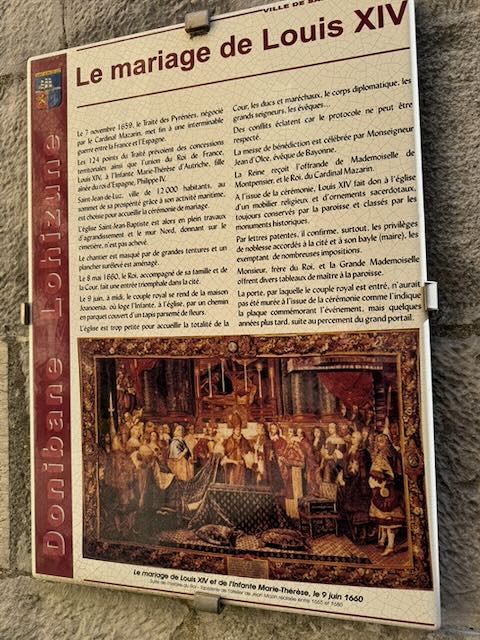
Louis XIV adopted the sun as his personal emblem, “symbolizing [according to the AI summary] his absolute power and centrality to France, much like the sun is the center of the universe, a concept reinforced by his self-styled image as the source of all light, life, and order in his kingdom, famously depicted as the Greek god Apollo.” Sounds familiar.
Discover more from I'm All Write
Subscribe to get the latest posts sent to your email.
 I'm All Write
The fishing village appears to be filled with wonderful colours and beauty – I felt like I could stay there and absorb the ambiance for a week and just wander!
You could for sure! And paint. (The light is good. 🙂 )