Travel Date: Saturday, May 4, 2024
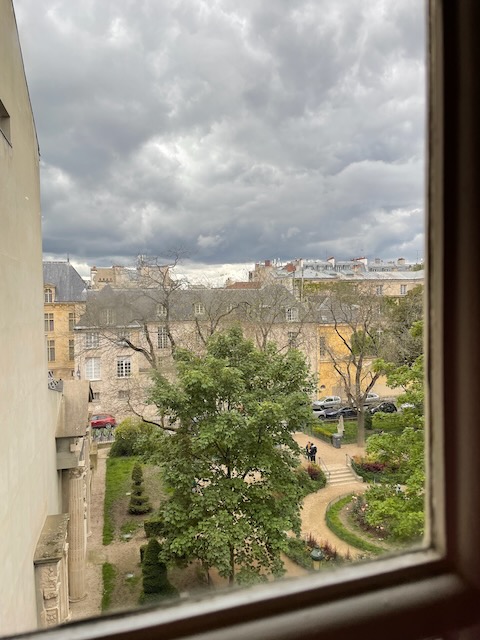
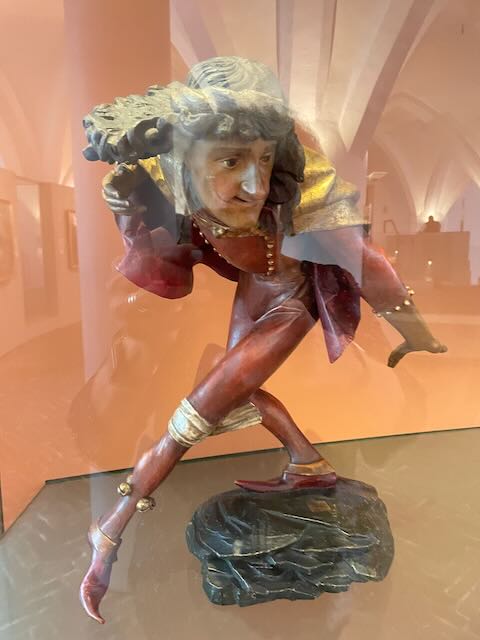
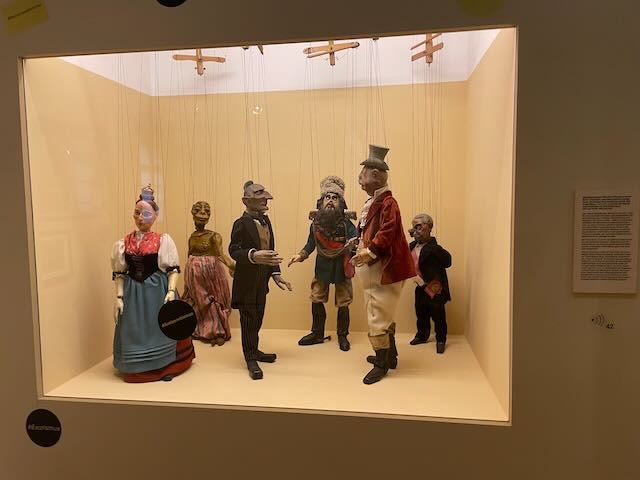
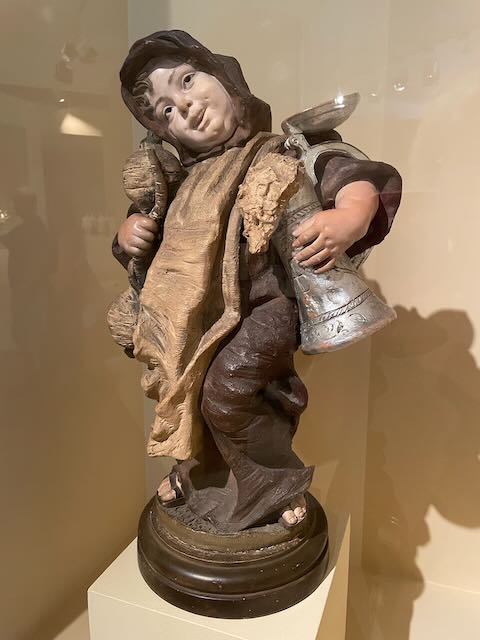
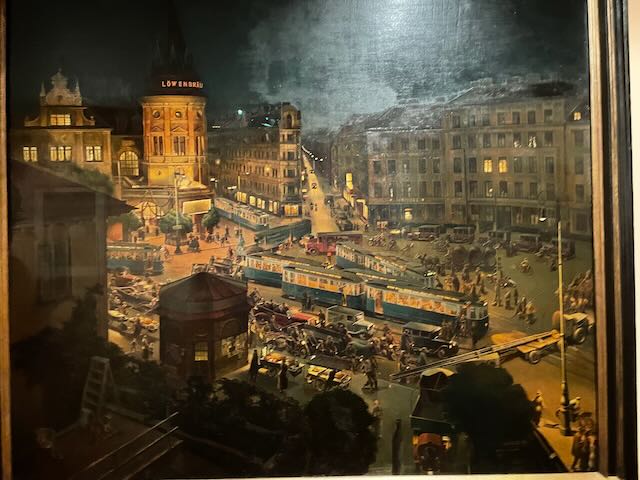
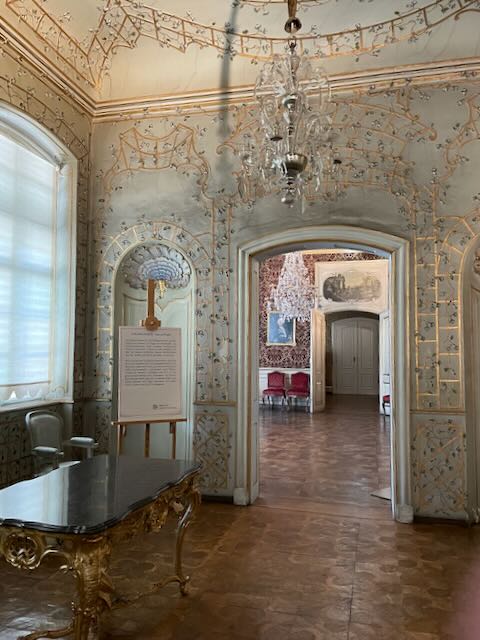
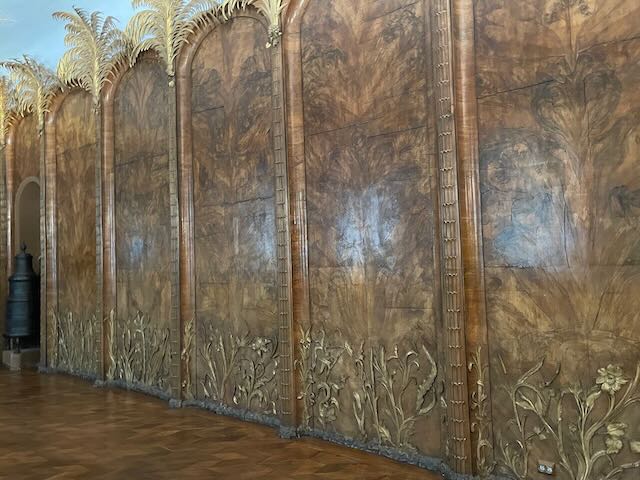
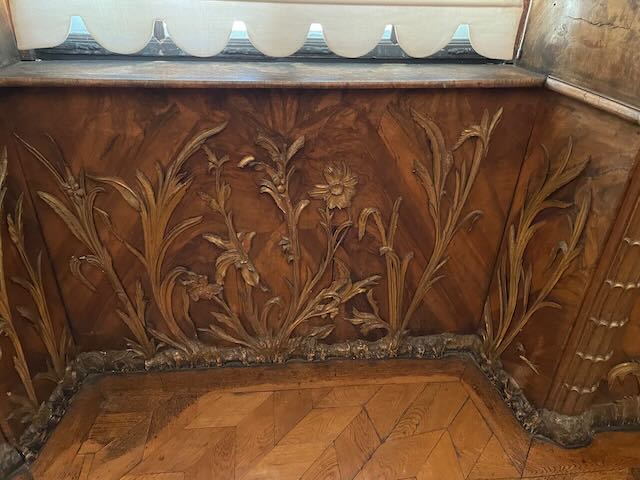
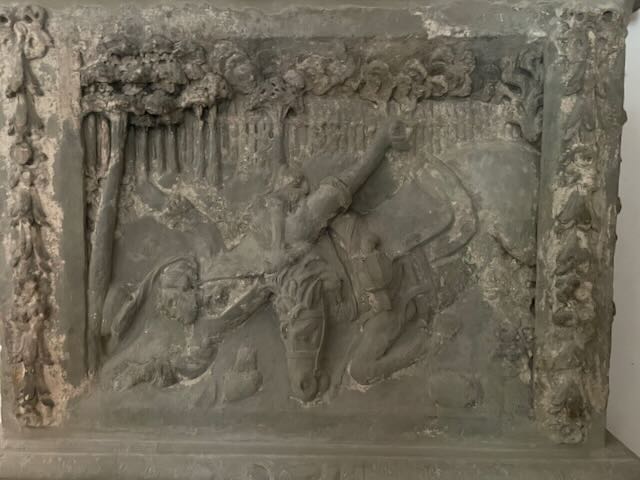
The Musée Carnavalet, located in the historic district of Marais on the Right Bank of the Seine, is housed in two former mansions that were built during the Renaissance (mid 1500s). The Carnavalet focuses on the history of Paris from pre-historic times to the present, and its collection includes “paintings, sculptures, furniture, decorative woodwork and objets d’art, shop signs, photographs, drawings, prints, posters, medals, coins, historical objects, archaeological collections and more… ” (Carnavalet brochure).
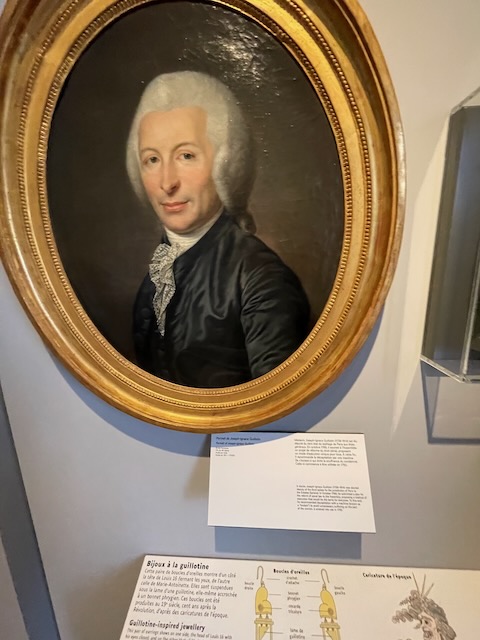
I found this museum fascinating because of the range of historical events it depicts, and the vast array of distinctive pieces. Given the opportunity, I would happily go back and look around for several hours more. The “objets” in the collection range from the strange and disturbing to the amusing – sometimes both at once; for example, a display relating the story of the man who introduced the idea of executing prisoners by cutting off their heads includes a set of guillotine earrings.


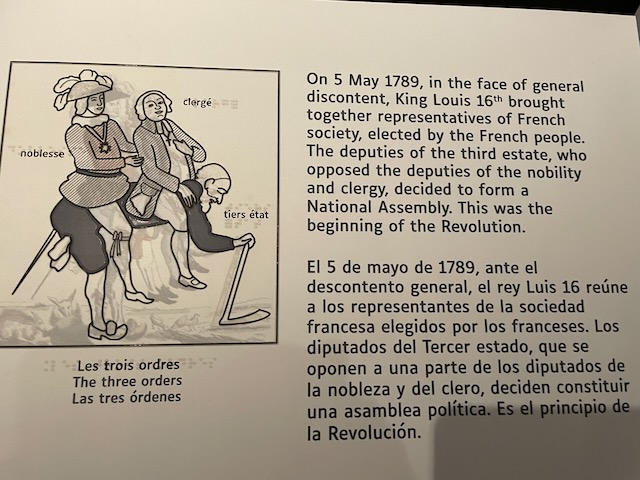

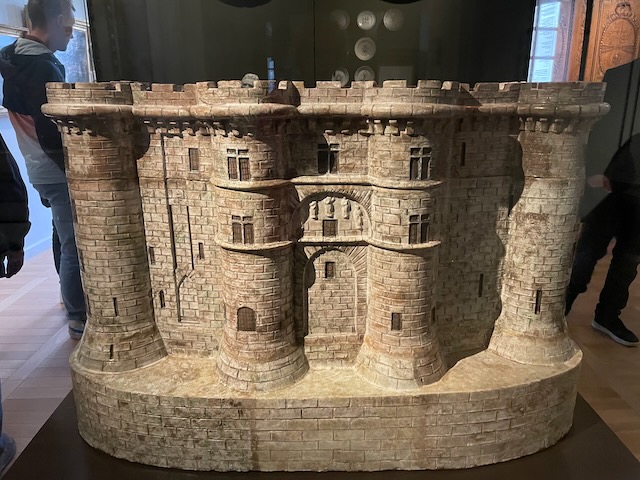

(I worked for several hours off and on to research the French Revolution enough that I could insert a brief summary here of the events that precipitated, unfolded during and followed it, but it was all so complicated that I realized that without taking several courses in French history, I would not be capable of writing any kind of respectable thumbnail summary. However, my interest was piqued enough that I ordered a copy of Hilary Mantel’s amazing, historically detailed novel set during the French Revolution, A Place of Greater Safety, and I am now 100 pages into the book, which is nearly 900 pages long. I seem to have a thing for long novels set in France [see section on Proust, below]. This is my excuse for why it has taken me so many weeks to prepare this post. 🙂 )
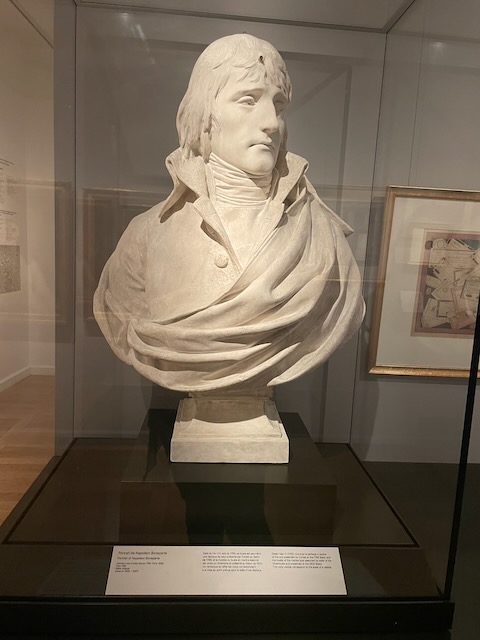
The years of the French Revolution provided much fodder for artists and writers, but the rapidly changing political climate meant that creative types, like politicians, fell in and out of favour depending on the week. In the case of those who had died, their remains were moved in and out of the Pantheon like pieces of fashion furniture, depending on how the political winds happened to be blowing.


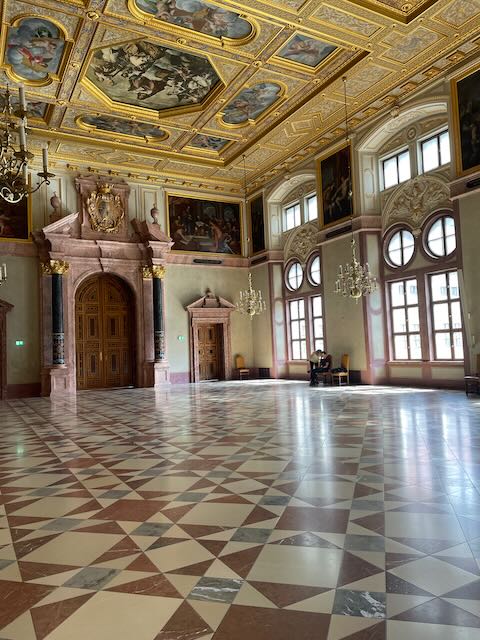
In the ballroom of the Wendel Mansion at the Carnavalet, we had the good fortune of running into a quartet of talented young musicians who were putting on an informal concert. It was nice to sit down for a bit and listen to lovely music in such a distinguished setting before we proceeded to the next displays. Sort of like a sorbet between courses.
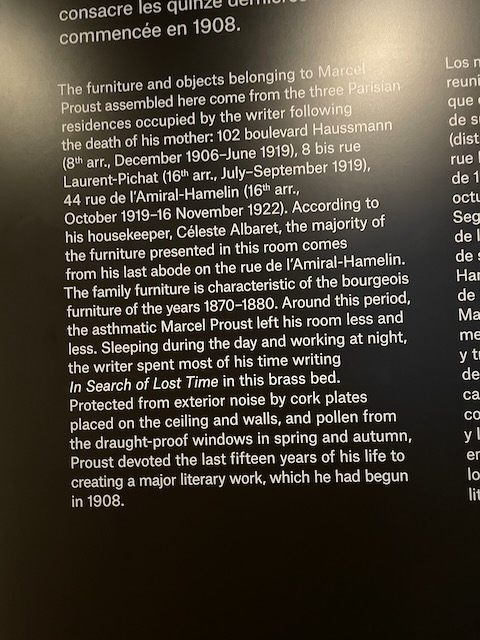
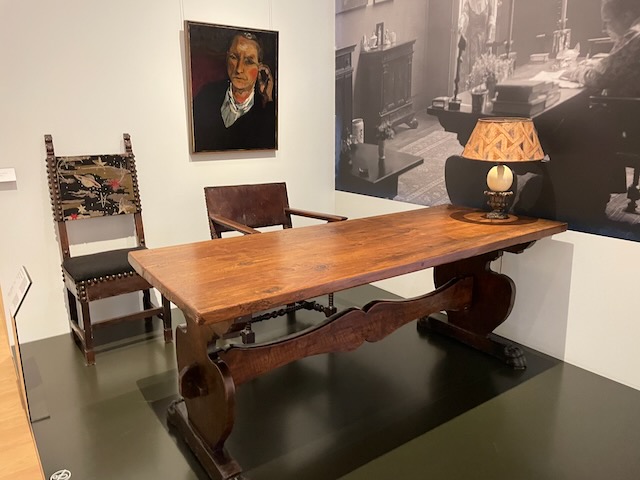
A highlight of the Musée de Carnavalet for me was the display of artifacts (or reproductions of artifacts) owned by Marcel Proust, whose 1.5 million-word novel I had just finished reading when we left for France (the culmination of a project on which I had been working for several years longer than it took Proust to write it).
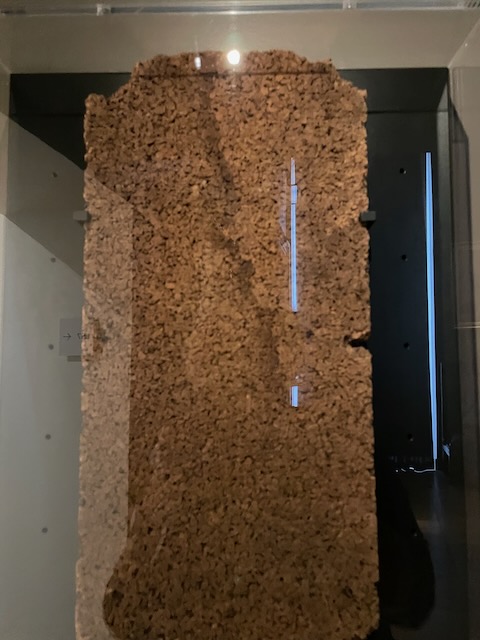
Once Proust got down to the actual writing of his immense work of fiction, which didn’t happen until he was nearly 40, his preferred method of composition was to write in bed. So the fact that his bed is part of the display is no small matter to a Proust aficionado. Other interesting Proust articles included his cane and raincoat, and samples of the cork board he stuck against his walls to dull outside sound so he could concentrate.





After we had seen the Musée de Carnavalet we walked along the right bank of the Seine, and witnessed a fun encounter between a street musician and a passing clown (and the clown’s entourage). They weren’t very French, but it felt like a “French moment.”
Paris, like most major cities in the world these days, is home to many people whose accommodation is (at best) a tent.

























































 I'm All Write