Tag Archives: Caravaggio

London, etc. and Paris, 2: Diagon Alley, Caravaggio, and Flying Beer Bottles

On our first full day in London, we headed down to the City (did you know that the area of the actual City of London is only one square mile? The rest of the megalopolis is made up of 32 boroughs). The Underground stop where we resurfaced (not coincidentally named “Monument”) was located right next to the memorial to the Great Fire of London. Between September 2 and September 5, 1666, this blaze destroyed “13,200 houses, 87 parish churches, The Royal Exchange, Guildhall and St. Paul’s Cathedral” (London Fire Brigade). The conflagration may also have brought an end to the Great Plague, but that is just a theory; many think the plague was already drawing to a close when the fire broke out. Whatever the case, it is clear that for most Londoners, 1666 was not a good year.

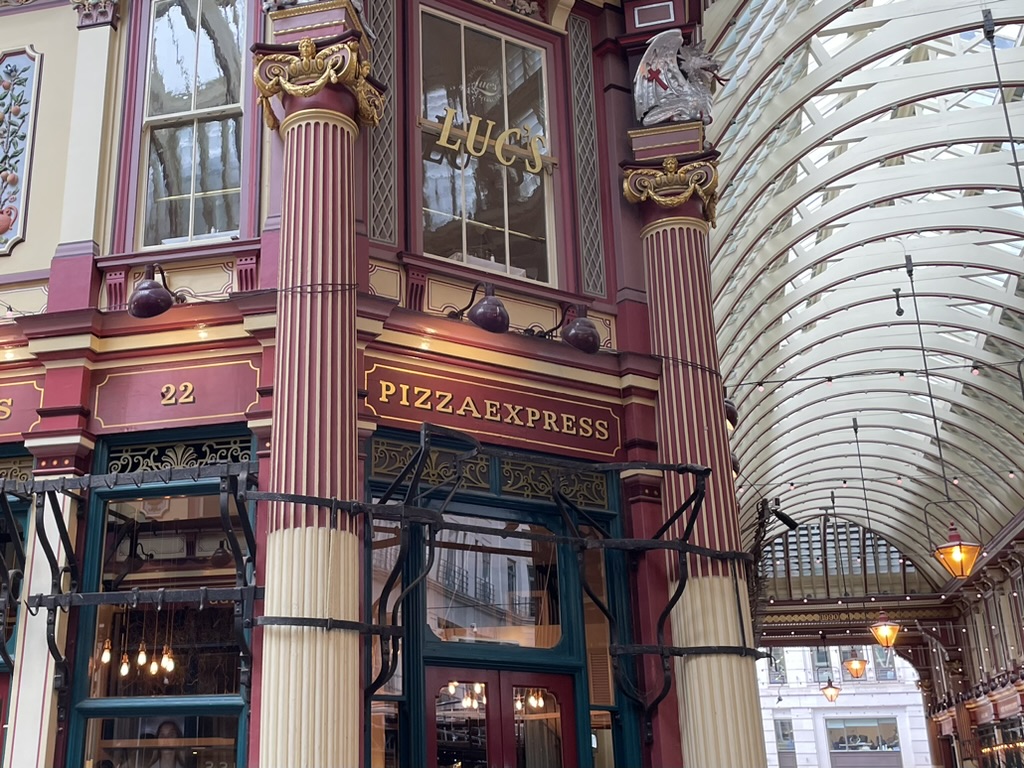
Our actual destination on that morning was the Leadenhall Market, which was used for the filming of the Diagon Alley scenes in the first Harry Potter movie. It is a fun market to walk around, and our visit was made even more interesting by the presence of two mounted police officers on beautiful horses, and a group of men in costume who were there to celebrate the Feast Day of St. George.

April 23, the presumed anniversary of St. George’s death, is celebrated not only in England but in several other countries and cities that have claimed St. George as their patron saint.

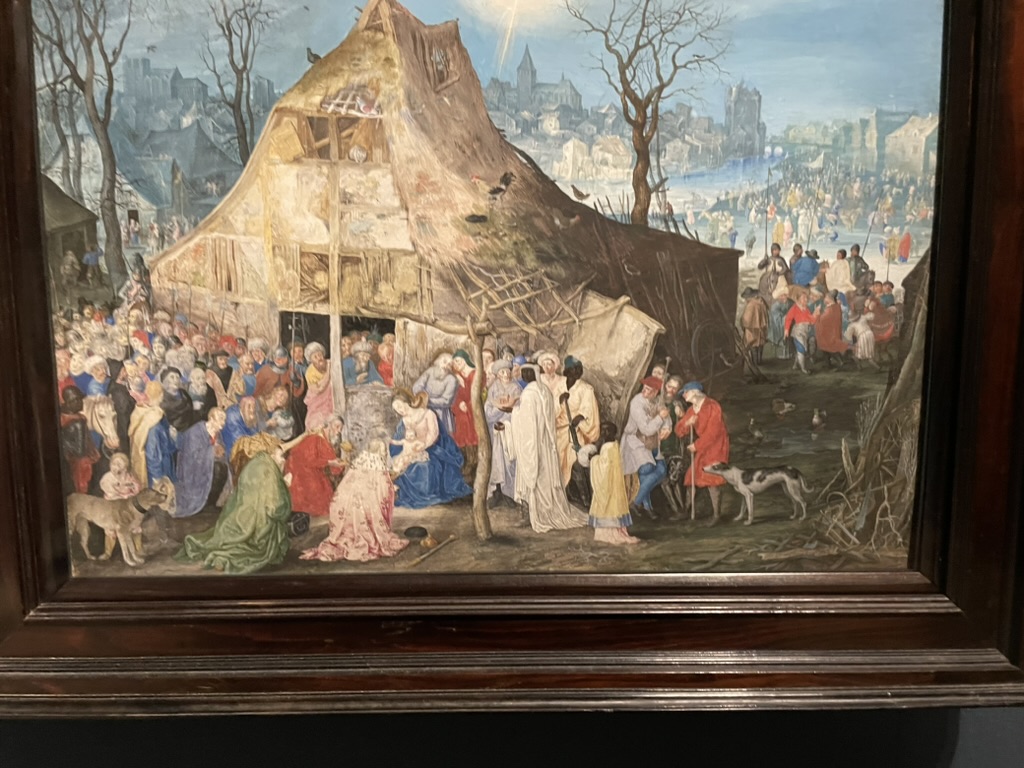
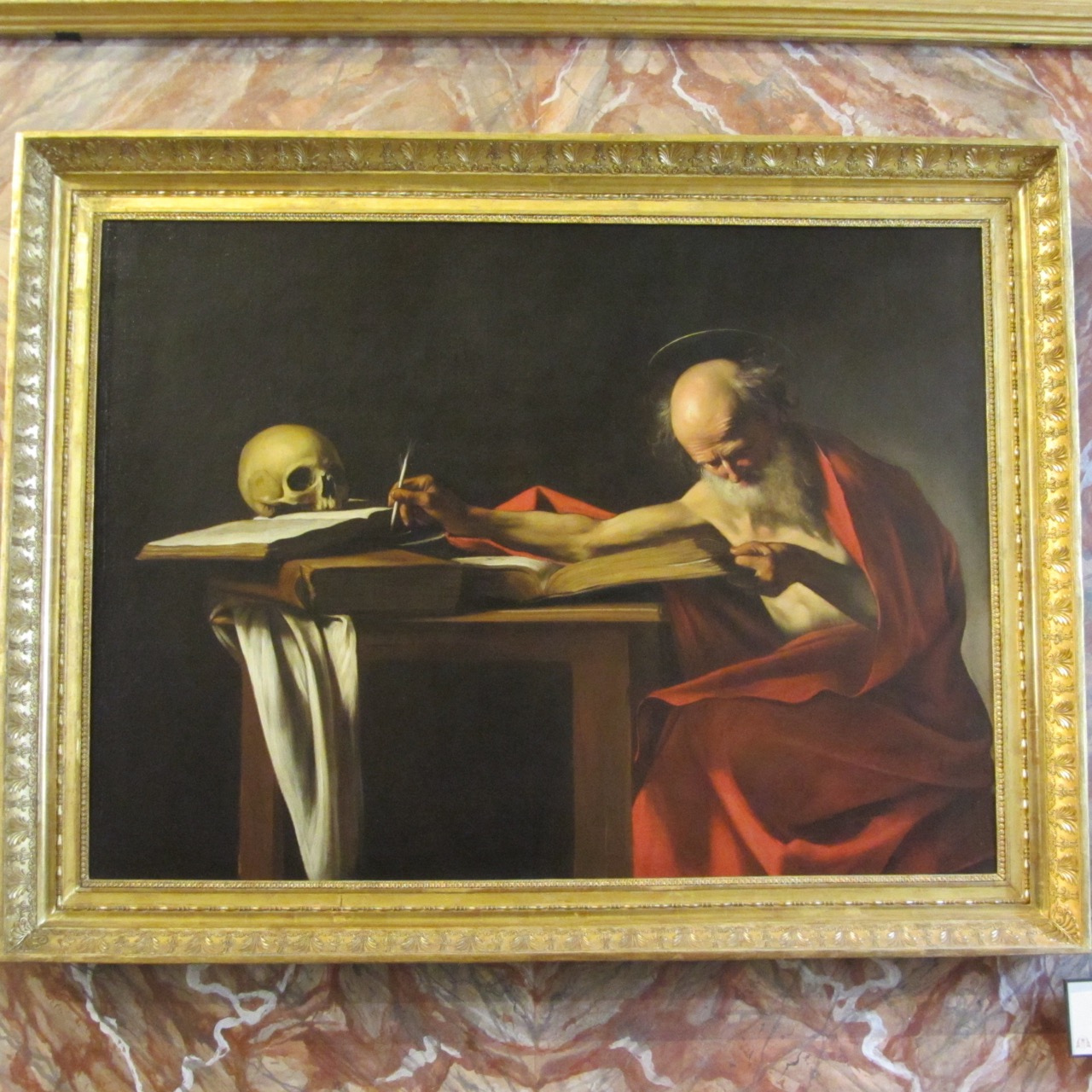
After a second short trip on the Underground, we reached Westminster where we stopped briefly at the Church of St. Martin in the Fields before heading in to The National Gallery. There, we were particularly interested in a special exhibition entitled The Last Caravaggio, which included just two paintings, rare related documents, and explanatory text. Caravaggio’s last painting is “The Martyrdom of St. Ursula” and another of his later works, “Salome receives the Head of John the Baptist” was also on display. (This was of additional interest to us as we were going to see the Strauss opera Salome when we got to Paris). A lot of North Americans have become a bit obsessed with the works of Michelangelo Merisi da Caravaggio (1571-1610) after watching the outstanding recent Netflix series Ripley, and it seemed that patrons of the National Gallery were similarly intrigued: the line to get into the small exhibition extended down a corridor and then a long stairway to the lower floor of the gallery, and then along another hallway for a considerable distance. Everyone was very patient, and the line moved relatively quickly.

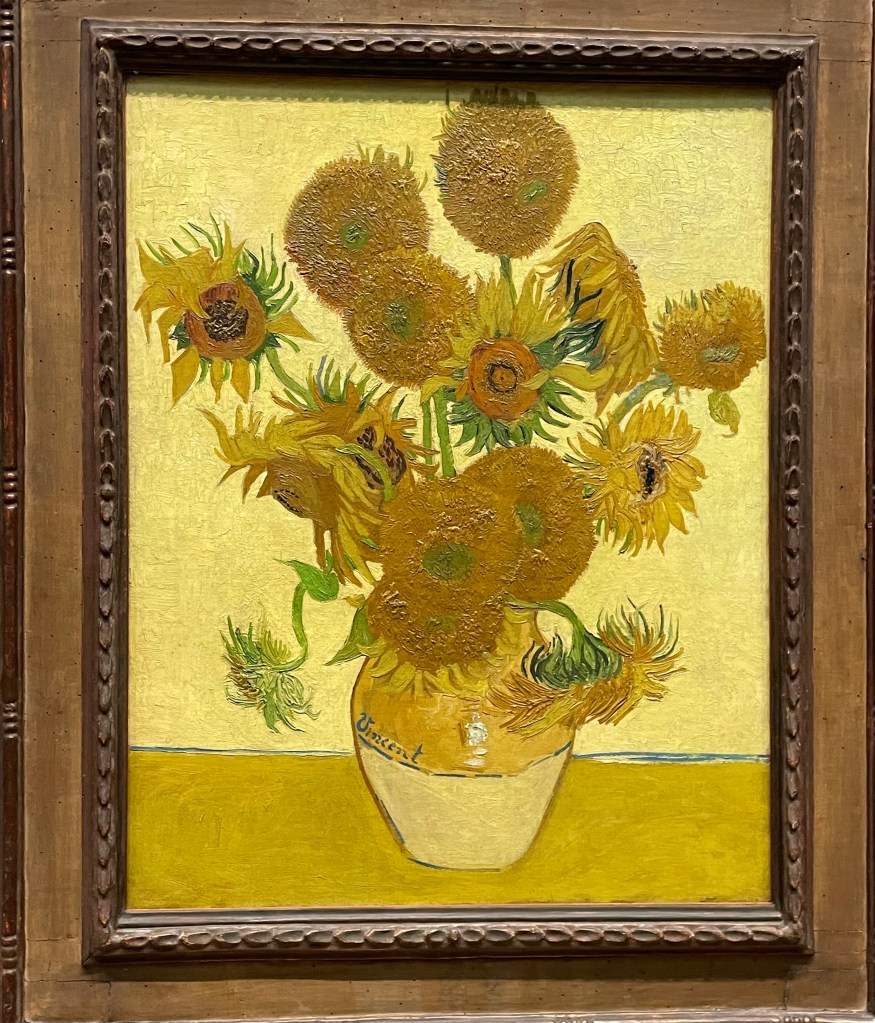
We took in paintings by a few other artists while we were at the National Gallery, then walked through Trafalgar Square and out onto Whitehall.

There we ran into another, much larger group of St. George’s Day enthusiasts, already well into their cups at 4 p.m. or whatever it was and growing rowdier by the minute, surrounded by police officers on foot and horseback, and vans containing dozens more. We saw people being arrested and heard the whiz of beer bottles before they crashed into the pavement, so after taking a few photos we decided to move on. A woman I spoke to outside a restaurant confirmed my suspicion that the crowd of drinkers was mainly far-right protestors who are mad at the government, rather than average citizens celebrating the feast of England’s patron saint.

At the end of Whitehall we found Big Ben (aka “The Great Bell of the Great Clock of Westminster”), shiny and magnificent after its four years of being cleaned and repaired (2017 to 2021), and we caught our first sight of the famous “London Eye” or Millennium Wheel. If we’d felt the urge to go for a ride on it, which we didn’t, we’d have needed to invest at least £42 each, or about $70 Canadian. I’m sure it was worth that much if a person were so inclined, as the capsules look to be quite spacious, the wheel moves quite slowly, and the views at the top must be splendid.

Italy 16: Rome (Part 3)

We Finally See the Borghese Gallery and an Actual Physician (and Identify, in Retrospect, Rome’s Multitudes of Green Birds)

May 19-20, 2019

The Borghese Gallery

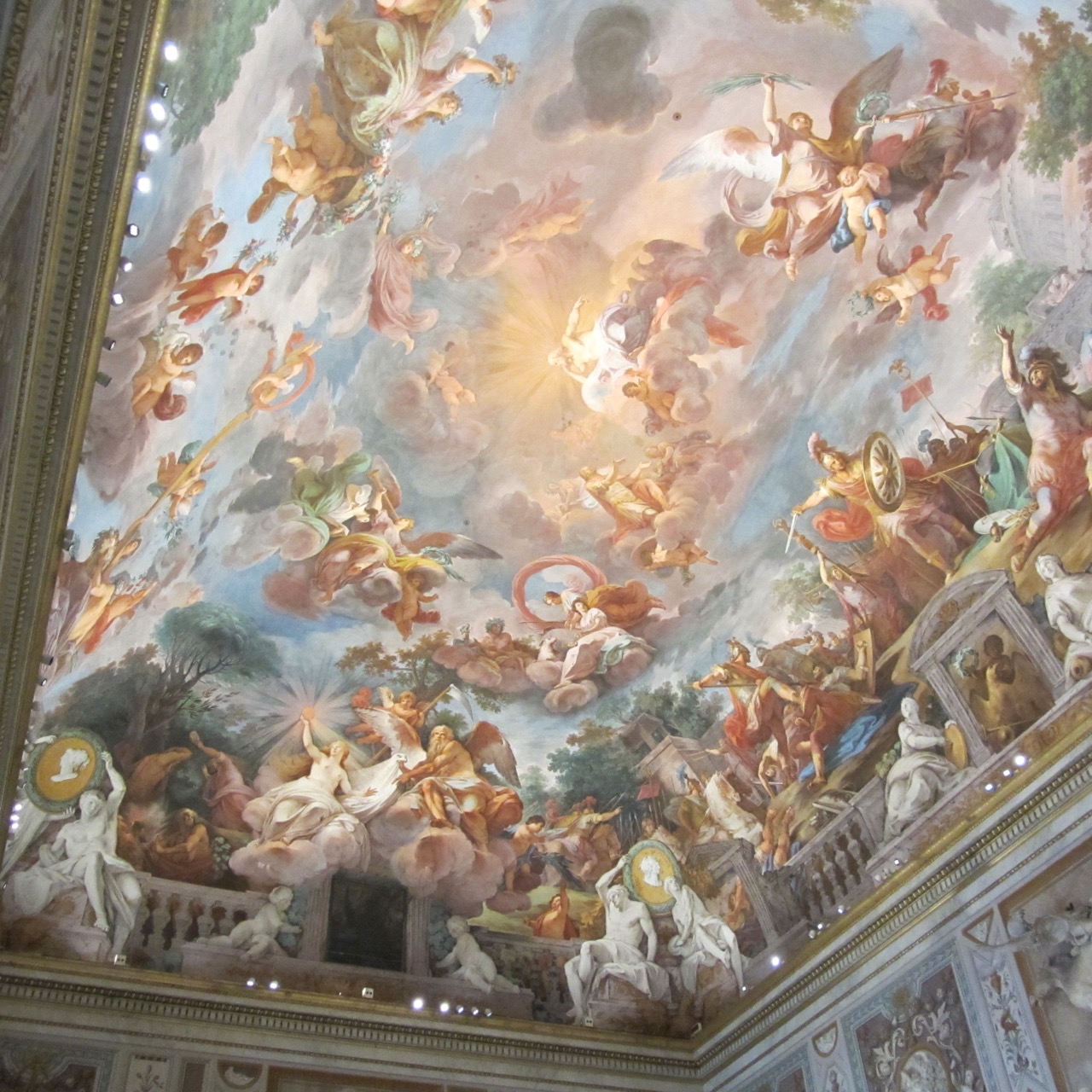
The first works of art selected for the collection that is housed in the Borghese Gallery were chosen by Cardinal Scipione Borghese (1577-1633), the nephew of Pope Paul V. He hired the architect Flaminio Ponzio to design a villa on what was then the outskirts of Rome where he could spend time with his sculptures, paintings and ancient artifacts when time permitted. Not a bad “country home.”

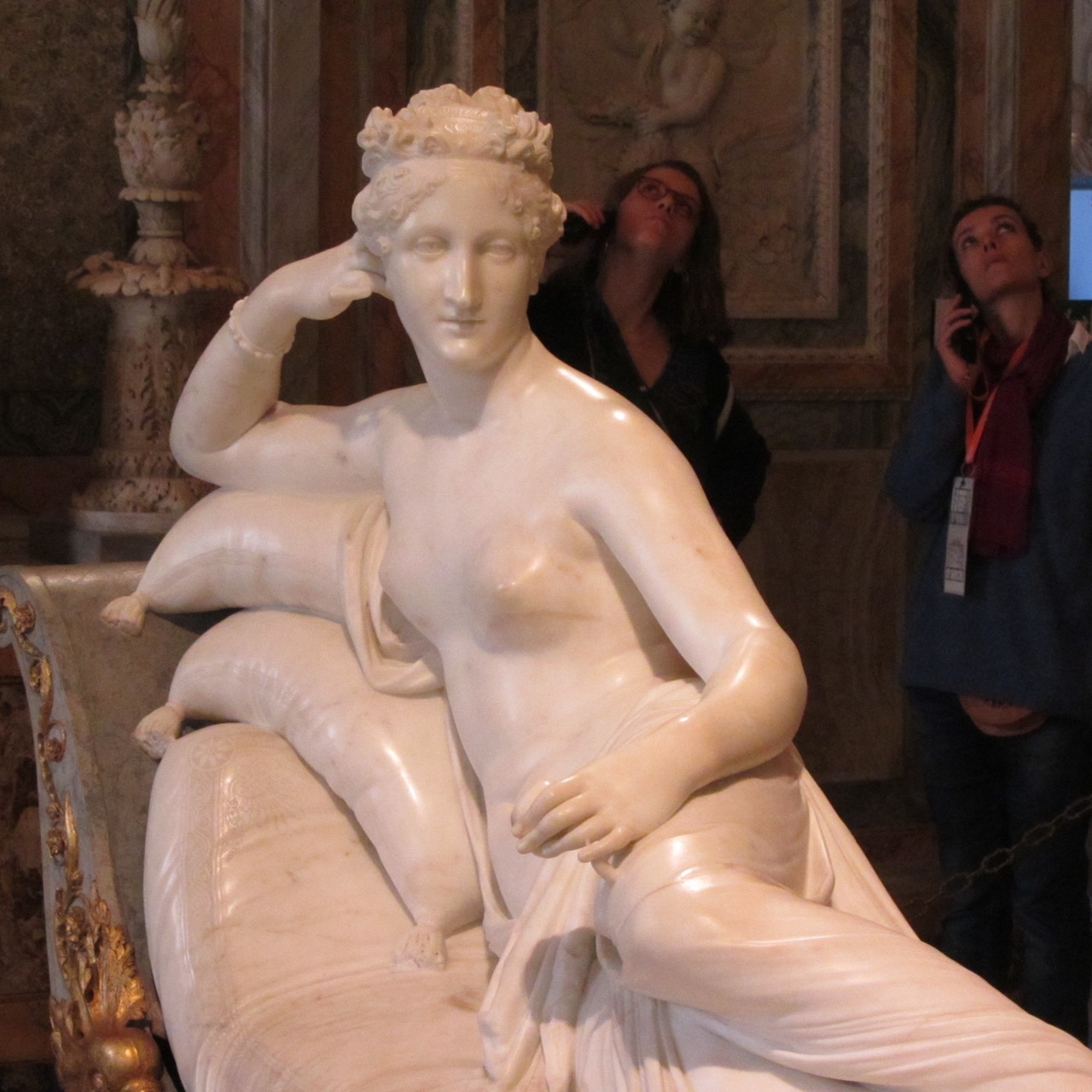
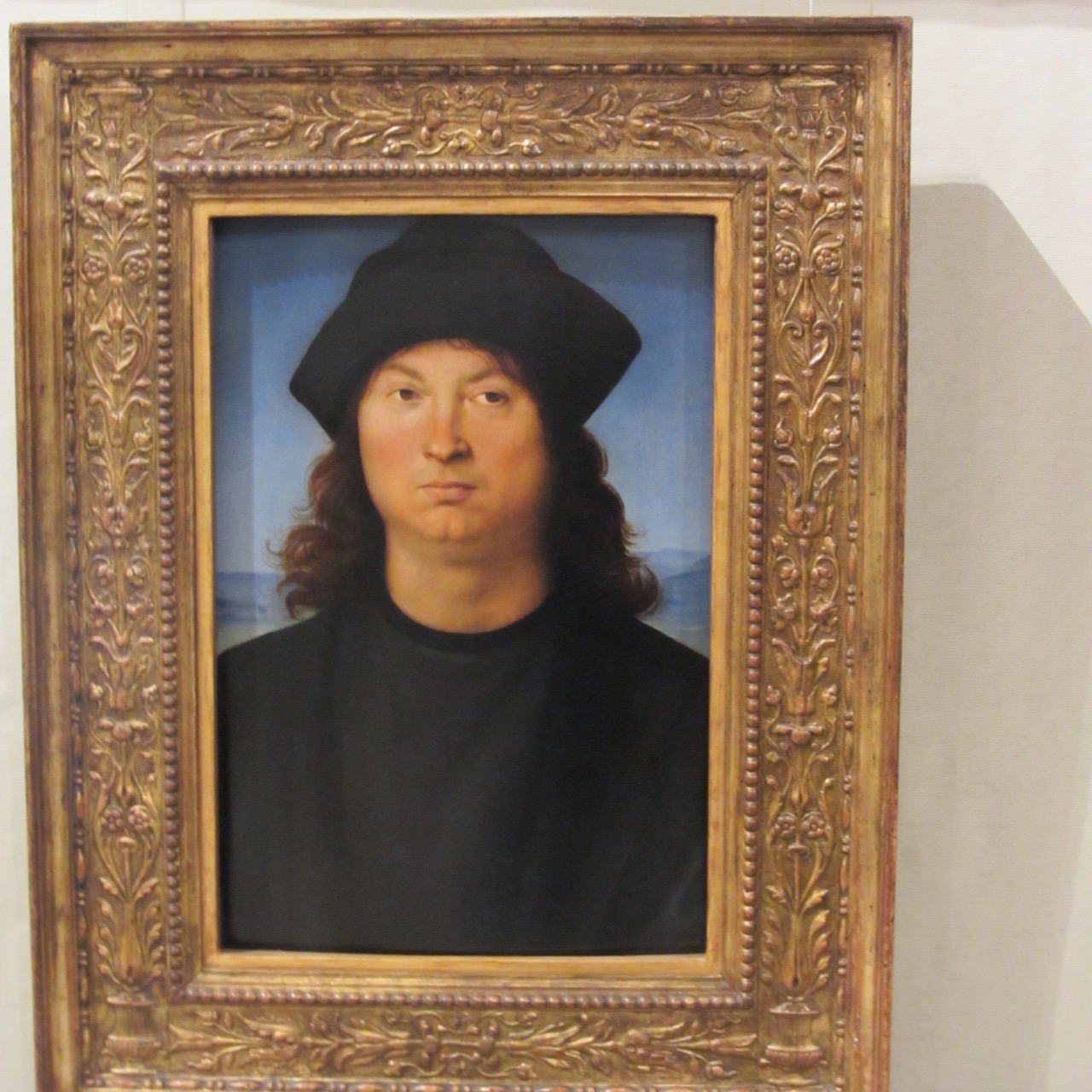
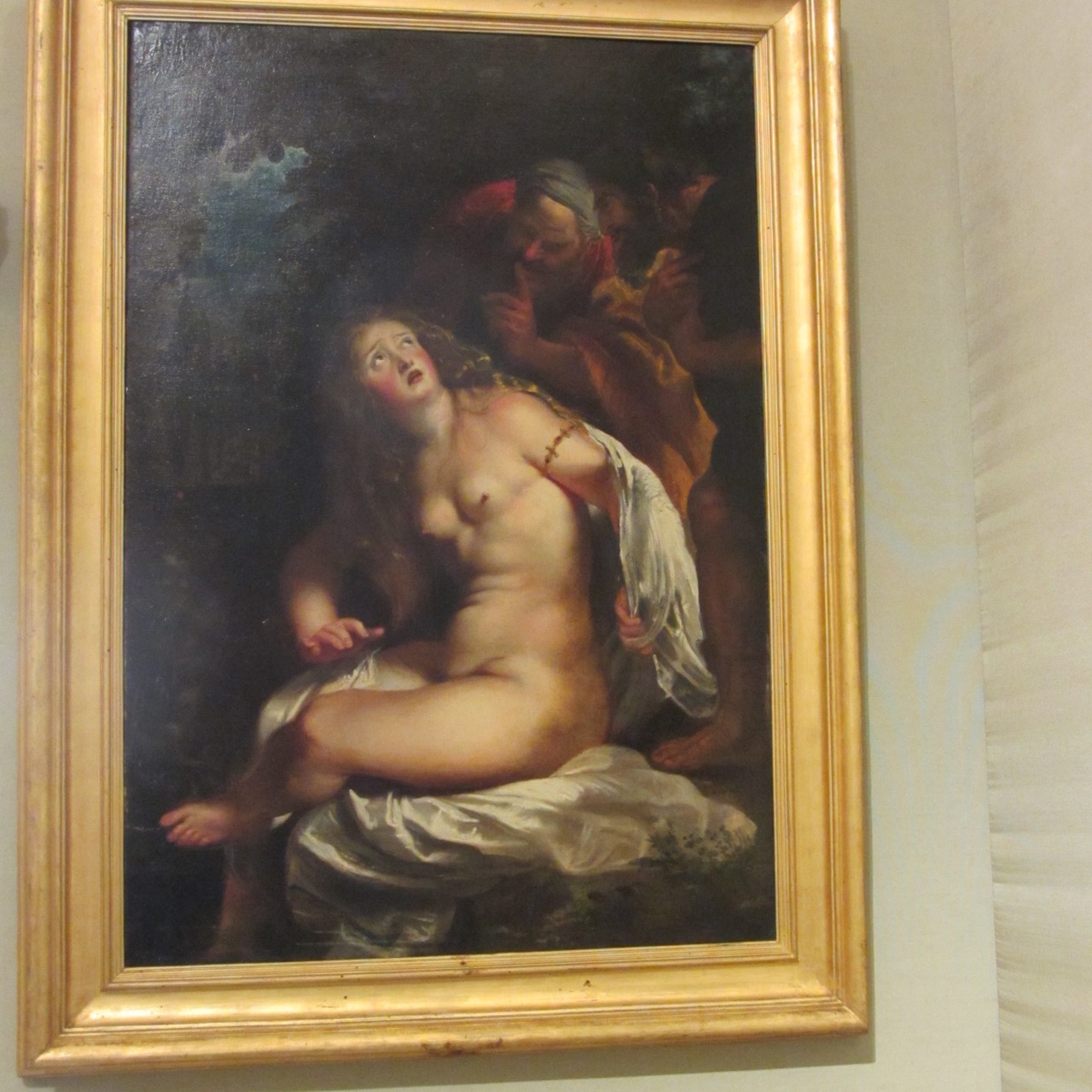
Among the notable artists the Cardinal included in the Galleria – which is now owned by the Italian government – were Bernini, Caravaggio, Bimini, Titian, Raphael, and Peter Paul Reubens. He was clearly a man of outstanding taste. Subsequent generations of Borgheses added to and modified both the villa and the collection, most of them enhancing it – although in 1808, Prince Camilio Borghese had to sell some of the most ancient (pre-BCE) and precious pieces to his wife’s brother, the Emperor Napoleon. Those pieces are now in the Louvre. Coincidentally, or maybe not, in the same year Prince Camilio’s wife, Paulina Bonaparte, served as the model for the lovely Venus Victrix, by Antonio Canova.

I learned most of the information you have just read from the Wikipedia entry “Galleria Borghese” (or re-learned it, to be more precise, as I am sure I also read the details six months ago when I was actually in Rome, and possibly even a few months before that when I booked the tickets). You can find lots of other information about the Gallery from that Wiki if you are so inclined.

There are two floors in the Galleria Borghese and one really ought to spend an entire day there, rather than attempting to see it all at the end of an afternoon. But something is better than nothing and I was delighted with it all (for by now my swollen eye had settled down enough that I could see out of it a little, and the other one continued to work perfectly).

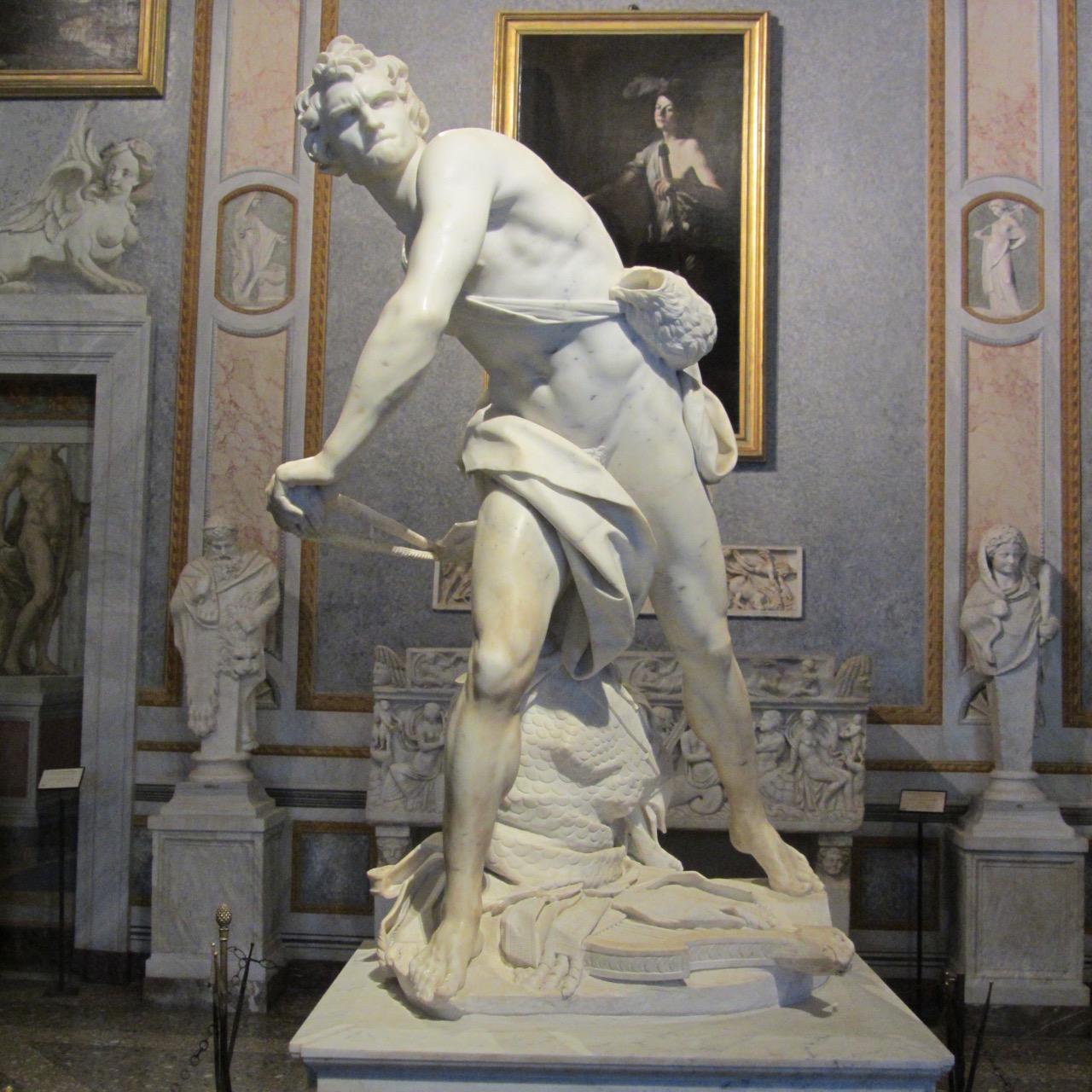
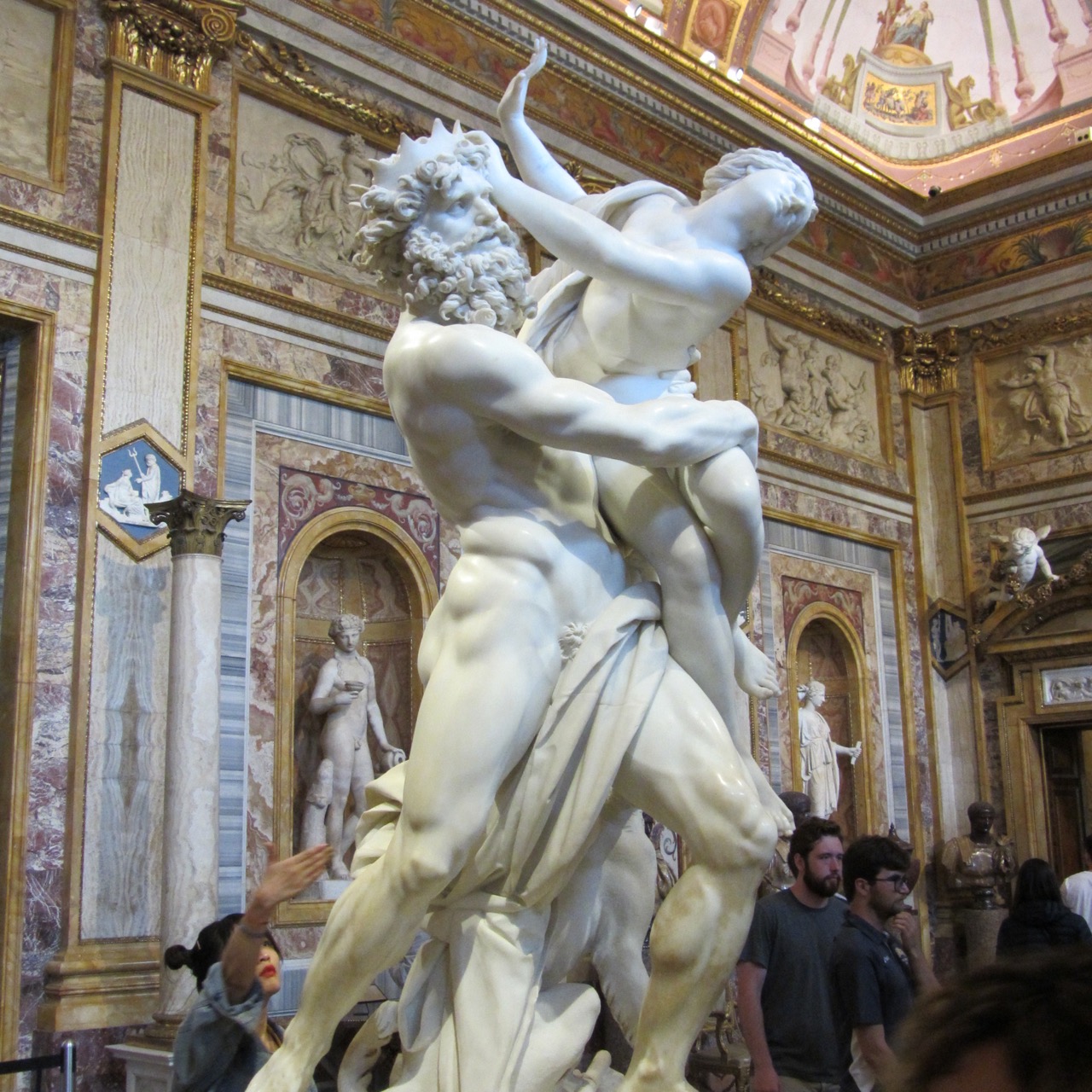
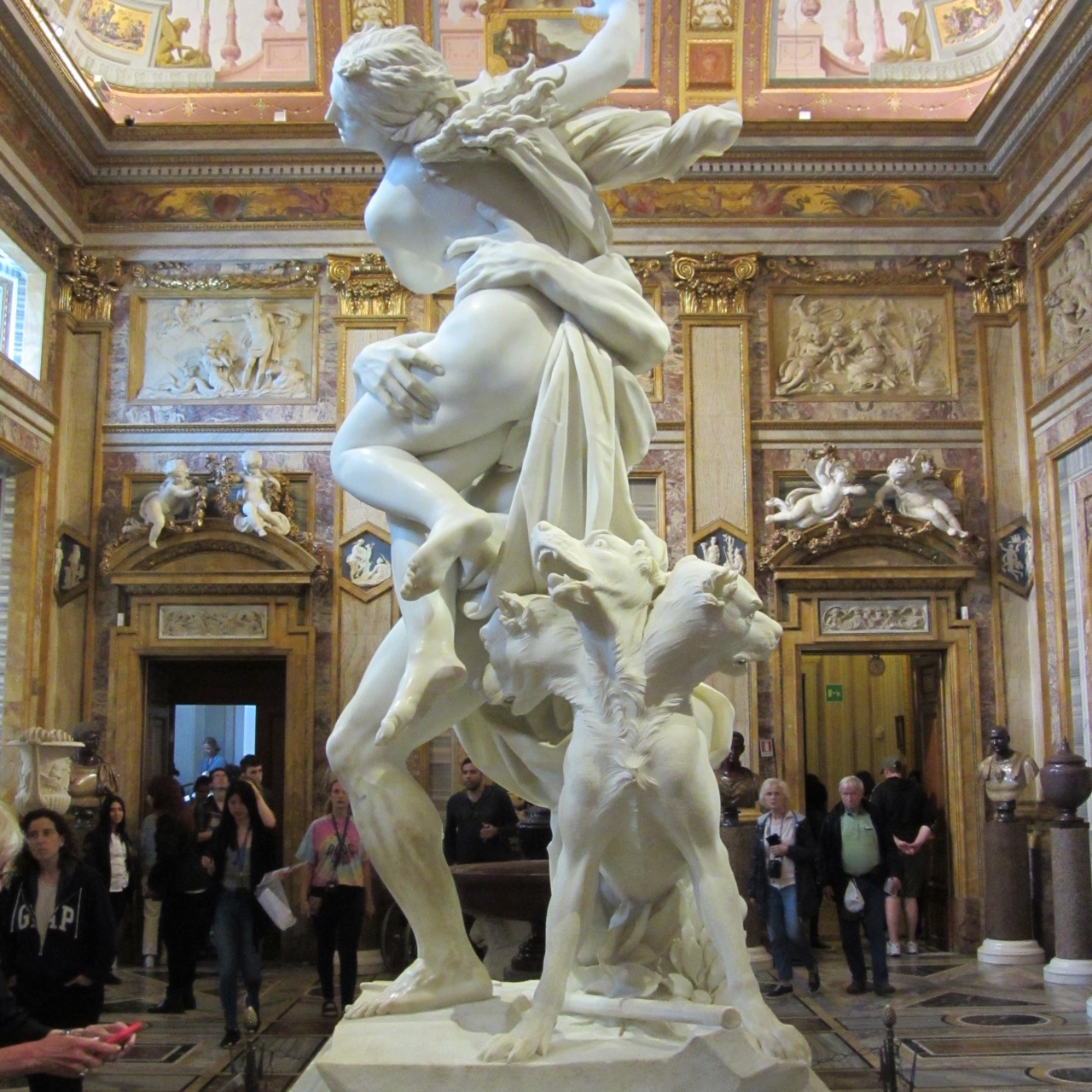
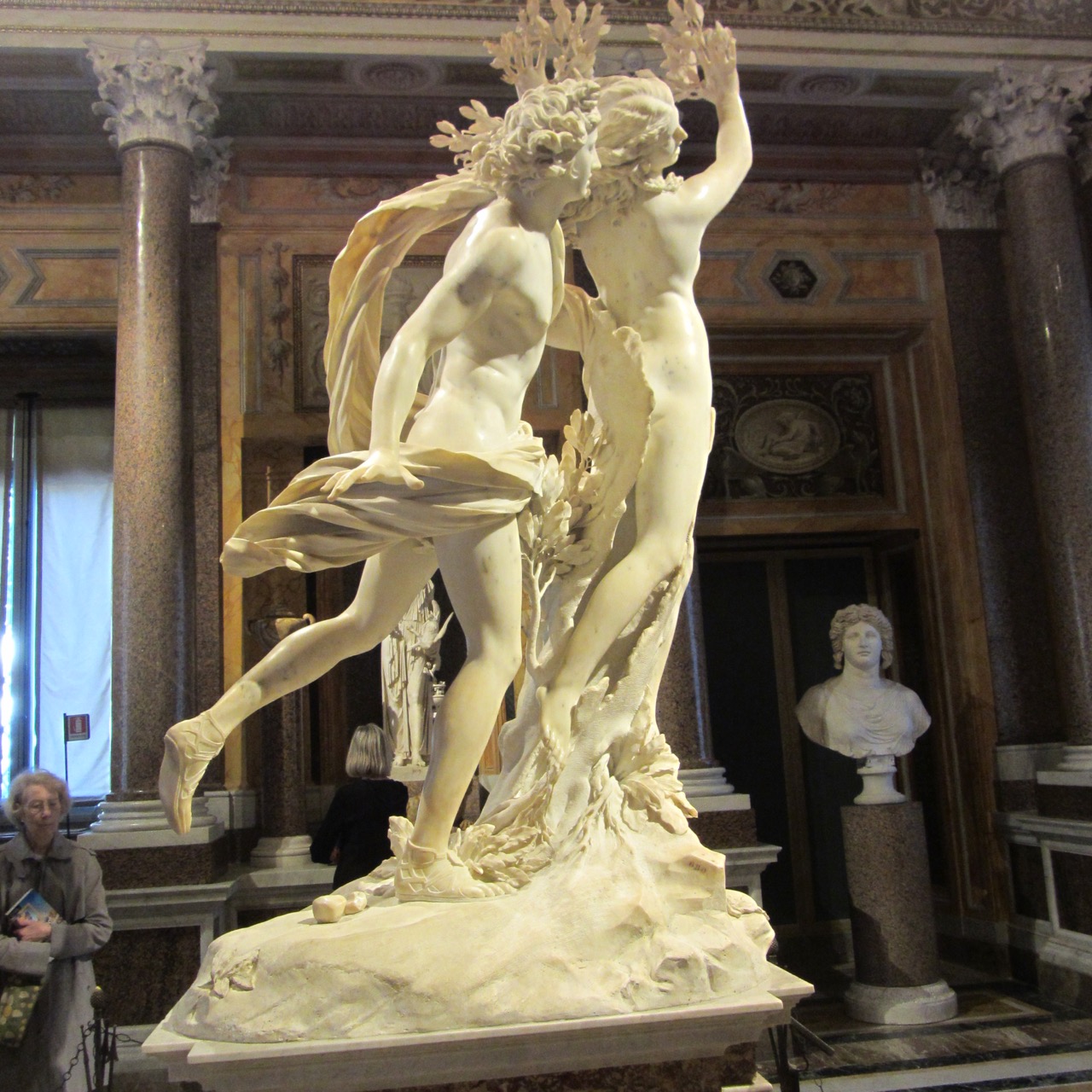
Among my favourite sculptures — as is, I am sure, the case for most visitors — were the Rape of Proserpina, Apollo and Daphne, and – of course — David. All by Gian Lorenzo Bernini, who was 23 (!) when he executed the Proserpina. These sculptures are stunning — the detail as you walk around them simply defies any belief that a human could have carved them out of stone — even if the stone was Italian marble. The sculptors (not just Bernini, several of the others displayed in the Galleria as well) managed to bring the marble to life as well as the subjects. As I looked at Daphne turning into a laurel tree as Apollo tries to catch her – her fear and loathing absolutely relatable, as is her story even in the Me, Too era – it seemed as plausible that this was a scene from history as one derived from myth.

The paintings I admired are far too numerous to mention, and the dozen of photographs we took in the Gallery now form a wonderful slideshow of memories. I am truly grateful to my friend Virginia Sharek for suggesting that we go there.

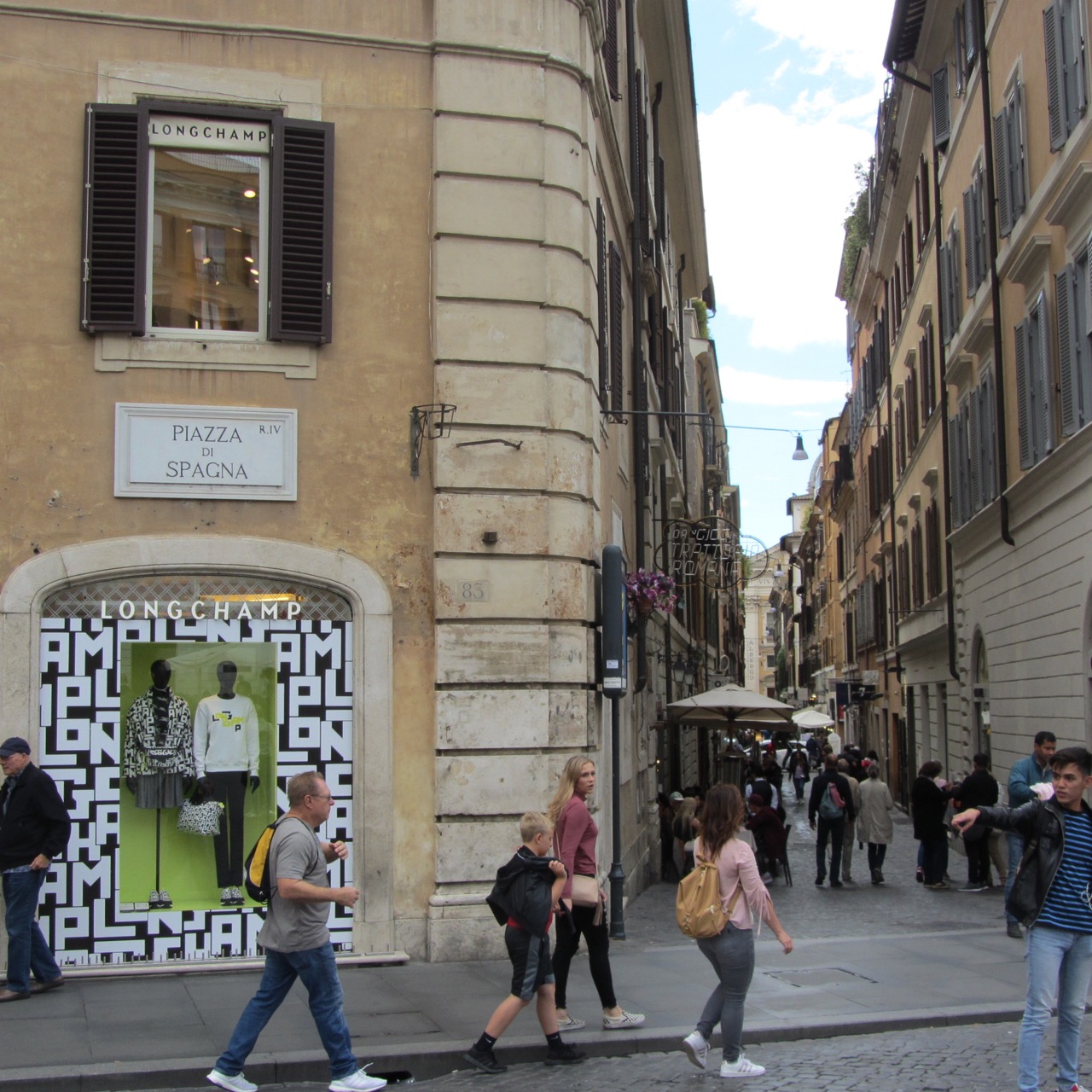
We left the gallery when it closed and made our way by taxi to the international medical clinic (“with English-speaking doctors,” the website said) that we had tracked down on the internet that morning. Unfortunately, the clinic was not too keen on being found. The address was on a narrow street not far from the Spanish Steps, but there was no sign of the street number we’d written down. A pull-down security grill suggested that even if the clinic was there, it must be closed. But Arnie was undeterred by such observations. While I waited in the cab in case we decided to simply go back to the hotel, he walked back up the street and knocked on a door in the vicinity of the address we had. To his surprise, a nurse (I assume a nurse: she was dressed in white) aged about 50 opened a door, stuck her head out and told him to come in.

I let the cab go, and joined Arnie as he entered the clinic. There we found a doctor as well as the nurse; she was his translator as well as his medical assistant, which was a good thing as the doctor spoke no English. He attended to me carefully and kindly — joking that we must be related, as his first name was Walter. He examined my eye and forehead, and said he thought that I should get an x ray. He gave us the address of a hospital where we could go to get that done. He also gave me a prescription for an antibiotic ointment. Again, there was no fee.

A Missed Opportunity

Little did I know how close we’d come that day (twice) to the house where John Keats spent his last weeks of life: unfortunately for the world, there were no antibiotics in the vicinity, or anywhere else for that matter, when he was dying there. I’d seen his house in Hampstead when I was in London twenty years ago, and it would have been satisfying to see this final dwelling place – which has, like his home in London, been turned into a museum. Close by apparently, there are the one-time residences of Percy Bysshe Shelley, J.M.W. Turner, Lord Byron and others.

Near the Spanish Steps

As I read about Keats’s last months in this most interesting blog post by Giuseppe Albano, Curator of the Keats-Shelley House in Rome, it made me realize that in the western world, we have really forgotten the horrors of tuberculosis (or in my case have never known them, although before I was born, my aunt– an artist — contracted it and was in a sanitarium for two years). It seems kind of sad that ultimately, Keats was buried near Joseph Severn, an artist he’d travelled with to Rome from England, with whom – according to Albano, “he had maintained a cordial (but not intimate) relationship.” If you’re going to be buried next to someone (and I’d rather just be hoisted to the top of some tree and left for the turkey vultures to take care of), I think it should be someone with whom you feel more intimate than cordial.

As we left the hotel the following morning I noticed with curiosity, not for the first time, the flocks of green birds that are very common in Rome. I made a note to myself to find out about them when I got home. And I did. So I have now learned that the ones we saw are some of the thousands of parakeets that are descended from a few that escaped their cages or were released by their owners into the city’s parks forty or fifty years ago. Originally from South America, they have adapted so well to the climate of Rome that their numbers have increased dramatically. Large flocks also occur in Madrid, which is now looking for ways to get rid of some of them.

We went to the hospital that had been recommended to us as a place to have the x ray done, but they couldn’t give us an appointment until the following day. We had a hotel reservation that night in Sorrento, with a planned stop at Pompeii en route, so we gave up on that idea and headed for Naples.

The bruising and my appearance got worse and worse for several days as gravity took part in moving the swelling down to my jawline, but it wasn’t too uncomfortable and the discolouration had pretty much faded by the time I got back to Canada. After a few weeks of continuing pressure headaches after I got home, however, I did go to see my own physician, and she sent me for an x ray. The diagnosis: a non-displaced fracture of the zygoma. This basically means that although there was a crack in my cheekbone/orbital area, the pieces had not shifted away from their original locations so no surgical intervention was necessary. Put another way, I was very lucky. The headaches are now gone.

The author, as yet unXrayed, and also unsculpted (bottom right)